



DNA Methyltransferase
DNMTs; DNA MTases
DNA methyltransferases (DNMTs) are a family of “writer” enzymes responsible for DNA methylation that is the addition of a methyl group to the carbon atom number five (C5) of cytosine. Mammalians encode five DNMTs: DNMT1, DNMT2, DNMT3A-DNMT3B (de novo methyltransferases), and DNMTL. DNMT1, DNMT3A, and DNMT3B are the three active enzymes that maintain DNA methylation. DNMT3L has no catalytic activity and functions as a regulator of DNMT3A and DNMT3B, whereas DNMT2 acts as a tRNA transferase rather than a DNA methyltransferase.
DNA methylation is a vital modification process in the control of genetic information, which contributes to the epigenetics by regulating gene expression without changing the DNA sequence. In prokaryotes, DNA methylation is essential for transcription, the direction of post-replicative mismatch repair, the regulation of DNA replication, cell-cycle control, bacterial virulence, and differentiating self and non-self DNA. In mammalians, DNA methylation is crucial in many key physiological processes, including the inactivation of the X-chromosome, imprinting, and the silencing of germline-specific genes and repetitive elements.
DNA Methyltransferase Isoform Specific Products
All Product Categories
-
DNA Methyltransferase Related Products (144)
Related Products (144)

-
Antibodies (11)
-
DNA Methyltransferase Isoform Comparison
-
5-Methyl-2'-deoxycytidine (Standard)
 0 ImagesSynonyms: 5-Methyldeoxycytidine (Standard)5-Methyl-2'-deoxycytidine (5mdC) is an endogenous substrate of DNA methyltransferases (such as mammalian 5-C-MTase) and binds to DNA dependent on the formation of DNA stem-loop structures. 5-Methyl-2'-deoxycytidine guides de novo DNA methylation by acting as a methylation mark and activates the methylation of adjacent CpG sites in single-stranded DNA through cis action. 5-Methyl-2'-deoxycytidine regulates DNA methylation patterns by recruiting methyltransferases to specific chromatin regions, affecting chromatin condensation and gene expression. Its distribution in plant cells is related to cell proliferation and differentiation stages. The methylation level of 5-Methyl-2'-deoxycytidine is low in proliferating cells and high in differentiated cells.
-
5-Methyl-2'-deoxycytidine-d3
 0 ImagesCat. No.: HY-W740027CAS No.: 1160707-78-7Synonyms: 5-Methyldeoxycytidine-d35-Methyl-2'-deoxycytidine-d3 (5-Methyldeoxycytidine-d3) is the deuterium labeled Methyl-2'-deoxycytidine (HY-W012078). 5-Methyl-2'-deoxycytidine (5mdC) is an endogenous substrate of DNA methyltransferases (such as mammalian 5-C-MTase) and binds to DNA dependent on the formation of DNA stem-loop structures. 5-Methyl-2'-deoxycytidine guides de novo DNA methylation by acting as a methylation mark and activates the methylation of adjacent CpG sites in single-stranded DNA through cis action. 5-Methyl-2'-deoxycytidine regulates DNA methylation patterns by recruiting methyltransferases to specific chromatin regions, affecting chromatin condensation and gene expression. Its distribution in plant cells is related to cell proliferation and differentiation stages. The methylation level of 5-Methyl-2'-deoxycytidine is low in proliferating cells and high in differentiated cells.
-
Guadecitabine
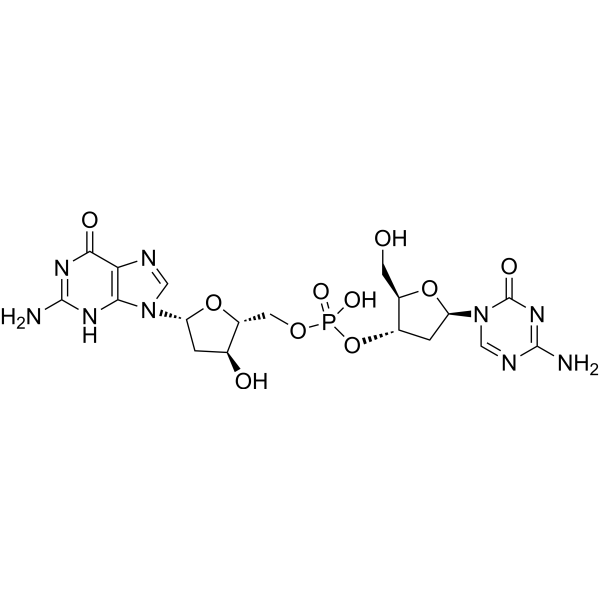 0 ImagesCat. No.: HY-13542CAS No.: 929901-49-5Synonyms: SGI-110Guadecitabine (SGI-110) is a second-generation DNA methyltransferases (DNMT) inhibitor for research of acute myeloid leukemia (AML) and myelodysplastic syndromes (MDS).
-
MC3343
 0 ImagesMC3343, a DNMT inhibitor (EC50 of 5.7 μM) and a strong DNA binder, affects tumor proliferation by blocking OS cells in G1 or G2/M phases and induces osteoblastic differentiation through the specific re-expression of genes regulating this physiological process.
-
Panduratin A
 0 ImagesPanduratin A is an orally active natural compound with multiple pharmacological activities. By specifically inhibiting the NF-κB signaling pathway, Panduratin A exerts potent anti-inflammatory and antioxidant effects in intestinal and vascular inflammation models. Panduratin A exerts a definite protective effect against Colistin (HY-113678)-induced nephrotoxicity by alleviating oxidative stress, improving mitochondrial dysfunction and inhibiting cell apoptosis. Panduratin A activates autophagy via an AMPK-dependent pathway and exhibits anti-tuberculosis activity. Panduratin A exerts antiviral effects by inhibiting the methyltransferase (DNA Methyltransferase) of SARS-CoV-2.
-
TDI-015051
 0 ImagesCat. No.: HY-170524CAS No.: 3052313-73-9TDI-015051 is a highly selective, orally active antiviral agent that targets the coronavirus NSP14 guanine-N7 methyltransferase. TDI-015051 binds to substrates in a non-competitive manner and forms a stable ternary complex, precisely blocking the capping and methylation processes of viral mRNA. TDI-015051 potently inhibits a variety of coronaviruses (including SARS-CoV-2 and MERS). By impairing viral replication and translation and inducing a moderate type I interferon-mediated immune response, it significantly reduces pulmonary viral load and exhibits a synergistic effect with Nirmatrelvir (HY-138687). In addition, TDI-015051 does not inhibit non-coronavirus methyltransferases, and the drug-resistant mutations it induces impair viral fitness, demonstrating excellent antiviral properties and safety. TDI-015051 can be used for research on COVID-19 and the replication mechanism of coronaviruses.The IC50 values of TDI-015051 against SARS-CoV-2, α-hCoV-NL63, α-hCoV-229E, β-hCoV-MERS are 0.15 nM, 1.7 nM, 2.6 nM and 3.6 nM, respectively, and the Ka value against SARS-CoV-2 is 0.061 nM.
-
6-Methyl-5-azacytidine
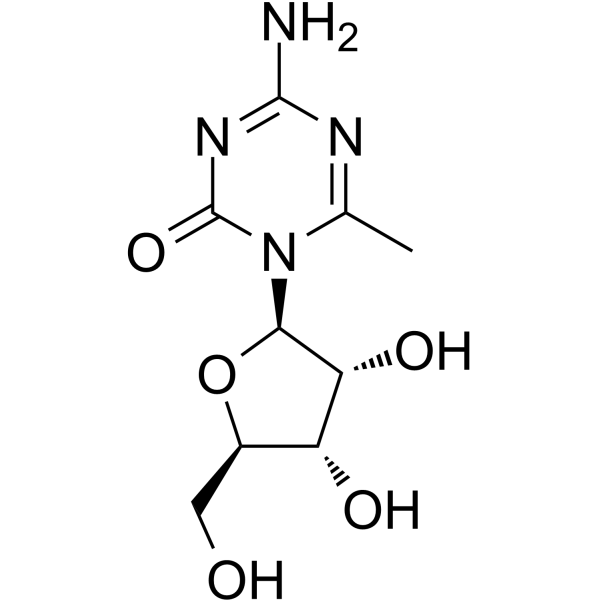 0 ImagesCat. No.: HY-111644CAS No.: 105330-94-76-Methyl-5-azacytidine is a potent DNMT inhibitor.
-
METTL1-WDR4-IN-1 TFA
 0 ImagesCat. No.: HY-162080APurity: 99.61%METTL1-WDR4-IN-1 (Compound 1) TFA is a selective competitive inhibitor of the methyltransferase complex METTL1-WDR4 (IC50=144 μM). METTL1-WDR4-IN-1 TFA inhibits the m7G methyltransferase activity of the METTL1-WDR4 complex, blocking the m7G modification of PKM mRNA, reducing PKM2 protein expression, disrupting the METTL1/PKM2/H3K9la positive feedback loop, and simultaneously inhibiting PKM2 nuclear translocation-mediated CD155 transcriptional activation. METTL1-WDR4-IN-1 TFA can inhibit tumor cell proliferation, weaken glycolytic metabolism, reverse tumor immune evasion (restoring NK cell and CD8+ T cell function), and regulate RNA epigenetic modification and the tumor immune microenvironment. METTL1-WDR4-IN-1 TFA can be used in immunotherapy research for cancers such as colorectal cancer, and is particularly suitable for use in combination with PKM2 inhibitors to enhance anti-tumor treatment efficacy.
-
CM-579
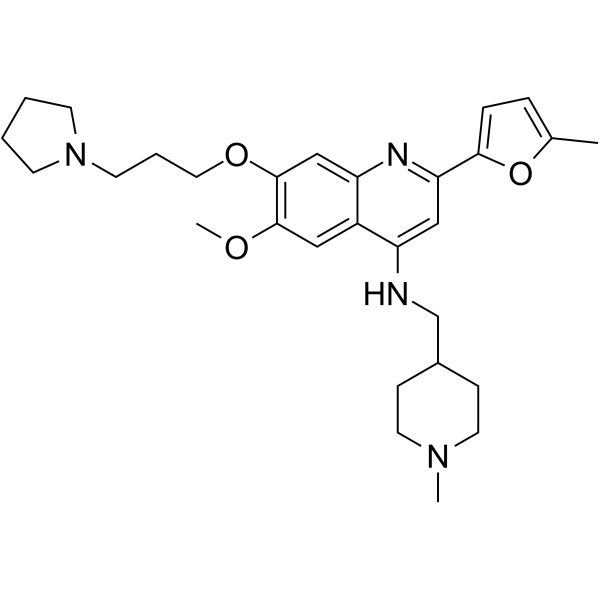 0 ImagesCat. No.: HY-117421CAS No.: 1846570-40-8CM-579 is a first-in-class reversible, dual inhibitor of G9a and DNMT, with IC50 values of 16 nM, 32 nM for G9a and DNMT, respectively. Has potent in vitro cellular activity in a wide range of cancer cells.
-
CpG Methyltransferase
 0 ImagesCat. No.: HY-E70206CAS No.: 1809633-78-0Synonyms: CpGCpG Methyltransferase is a DNA methyltransferase. CpG Methyltransferase can methylate the C5 position on the base moiety of all cytosine nucleotides contained in unmethylated or hemimethylated double stranded DNA in a 5’-CpG-3’ context.
-
2′,3′,5′-Triacetyl-5-azacytidine
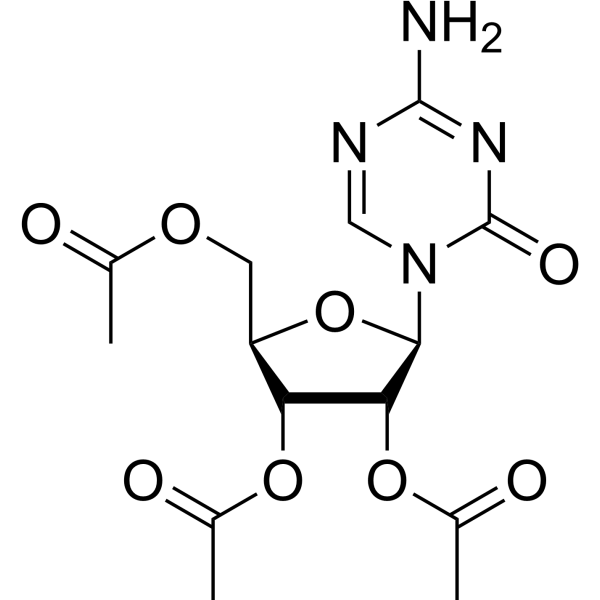 0 Images2′,3′,5′-Triacetyl-5-azacytidine is an orally active proagent of 5-Azacytidine. 5-Azacytidine is an inhibitor of DNA methyltransferase.
-
BM30
 0 ImagesBM30 is a selective peptidomimetic NTMT1 and NTMT2 inhibitor (IC50: 0.89 μM for NTMT1).
-
Hydralazine-d4 (hydrochloride)
 0 ImagesCat. No.: HY-B0464SCAS No.: 2749234-32-8Hydralazine-d4 hydrochloride is the deuterium labeled Hydralazine hydrochloride. Hydralazine hydrochloride is an orally active, blood-brain barrier-permeable DNA methyltransferase inhibitor with vasodilatory, arterial smooth muscle relaxant and hypotensive activities. Hydralazine hydrochloride reactivates silenced tumor suppressor genes via mediating DNA demethylation, while exerting neuroprotective and anti-inflammatory properties. Hydralazine hydrochloride inhibits NOS-2 (iNOS) and COX-2, and reduces the production of NO and PGEE2; meanwhile, Hydralazine hydrochloride scavenges reactive oxygen species and inhibits macrophage activation. Hydralazine hydrochloride alleviates motor dysfunction, neuropathic inflammatory pain, and formalin-induced somatic and emotional pain responses. In addition, Hydralazine hydrochloride directly induces DNA strand breaks and sister chromatid exchange, exhibiting certain mutagenic characteristics. Hydralazine hydrochloride has been widely used in studies on hypertension, various cancers (such as cervical cancer, leukemia), spinal cord injury and the mechanisms of inflammatory pain.
-
MC3817
 0 ImagesCat. No.: HY-179409Purity: 99.88%MC3817 is a selective DNMT1 inhibitor. MC3817 inhibits DNMT1 and DNMT3A/3L with IC50s of 0.044 μM and > 10μM, respectively. MC3817 inhibits P53-dependent cancer cell proliferation, induces apoptosis and DNA damage MC3817 elevates cleaved Caspase 3, P53, and γH2AX. MC3817 can be used in non-small cell lung cancer, colon cancer, cervical cancer, triple-negative breast cancer and histiocytic lymphoma research.
-
DNMT1/HDAC-IN-1
 0 ImagesCat. No.: HY-168088CAS No.: 3104460-09-2DNMT1/HDAC-IN-1 (compound (R)-23a) is a DNMT1/HDAC dual inhibitor (HDAC1:IC50=0.05 μM), HDAC1 is a major HDAC isoform that interacts with DNMT1 in multiple protein complexes for transcriptional silencing of TSGs. DNMT1/HDAC-IN-1 can reshape the tumor immune microenvironment and induce tumor regression, and effectively reverse cancer-specific epigenetic abnormalities.
-
Decitabine-13C5
 0 ImagesCat. No.: HY-A0004SSynonyms: 5-Aza-2'-deoxycytidine-13C5; 5-AZA-CdR-13C5; NSC 127716-13C5Decitabine-13C5 (5-Aza-2'-deoxycytidine-13C5) is 13C labeled Decitabine. Decitabine (NSC 127716) is an orally active deoxycytidine analogue antimetabolite and a DNA methyltransferase inhibitor. Decitabine incorporates into DNA in place of cytosine can covalently trap DNA methyltransferase to DNA causing irreversible inhibition of the enzyme. Decitabine induces cell G2/M arrest and cell apoptosis. Decitabine has potent anticancer activity.
-
AT-1965
 0 ImagesCat. No.: HY-184488CAS No.: 1640353-78-1AT-1965 is a selective CMTR2 inhibitor that suppresses methyltransferase activity. AT-1965 triggers the intrinsic antiviral immune response in cancer cells, promotes the infiltration and activation of B cells into tumors, and thereby induces antitumor immune memory to prevent tumor recurrence. AT-1965 can be formulated into lipid nanoparticles to achieve rapid tumor regression. AT-1965 is widely used in studies of immunologically "cold" tumors, triple-negative breast cancer, melanoma, Lewis lung cancer, and other malignancies.
-
SARS-CoV-2-IN-87
 0 ImagesCat. No.: HY-163614CAS No.: 1002092-72-9SARS-CoV-2-IN-87 (compound 138968421) is a potent inhibitor of methyltransferases (nsp14 and nsp16) of SARS-CoV-2.
-
Procainamide-d4
 0 ImagesCat. No.: HY-A0084ASSynonyms: Procaine amide-d4; SP 100-d4Procainamide-d4 (Procaine amide-d4) is the deuterium labeled Procainamide (HY-A0084A). Procainamide (Procaine amide) is a specific and potent inhibitor of DNA methyltransferase 1 (DNMT1), which reactivates the expression of tumor suppressor factors by demethylating tumor suppressor genes. Procainamide induces vacuolization in various cell types and reduces cell proliferation and migration. Procainamide relaxes airway smooth muscle by activating potassium channels. Procainamide can be used in cancer and arrhythmia research.
-
MC3817 free base
 0 ImagesCat. No.: HY-179409AMC3817 free base is a selective DNMT1 inhibitor. MC3817 free base inhibits DNMT1 and DNMT3A/3L with IC50s of 0.044 μM and > 10μM, respectively. MC3817 free base inhibits P53-dependent cancer cell proliferation, induces apoptosis and DNA damage. MC3817 free base elevates cleaved Caspase 3, P53, and γH2AX. MC3817 free base can be used in non-small cell lung cancer, colon cancer, cervical cancer, triple-negative breast cancer and histiocytic lymphoma research.




